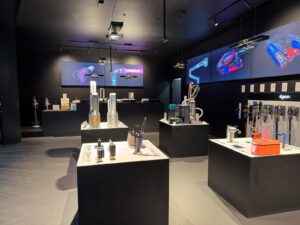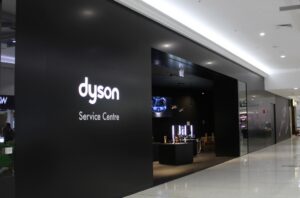
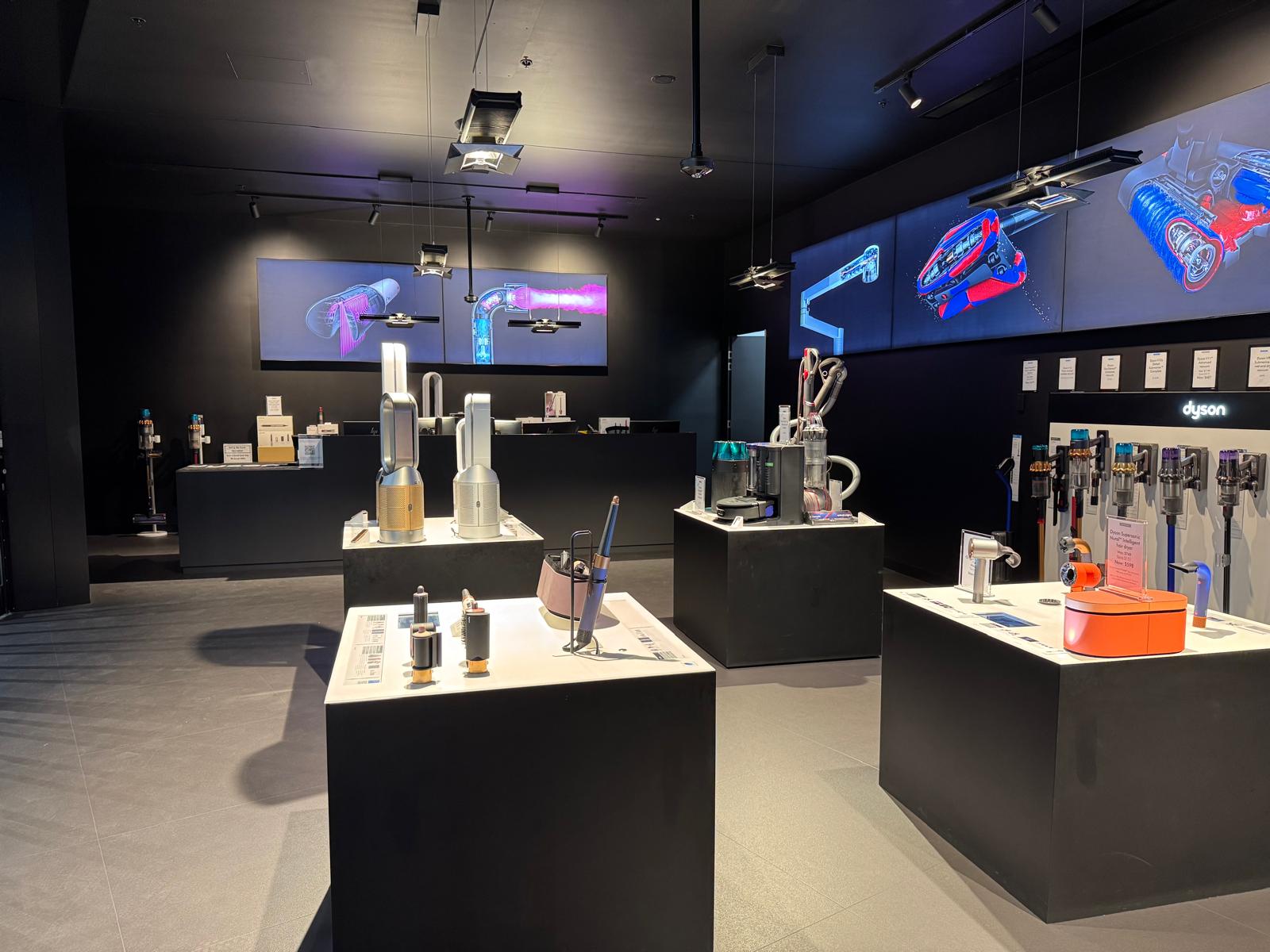
Retail design in 2026 is being shaped by one central question: why would a customer choose to visit in person? The fitouts that answer that question well are doing something more than looking good. They are creating environments that earn the visit, build brand trust, and give people a reason to stay longer and come back. Here are the five trends defining retail fitouts this year.
1. Experience-Led Spaces – Stores That Earn the Visit
The bar for physical retail has shifted. Customers are no longer walking in simply because a product is available there. They are making a choice to visit, and the interior environment is a core part of what justifies that choice.
Experience-led retail means the space itself is a deliverable, not just the shell around the product. Environments need to be intuitive, welcoming, and genuinely engaging, the kind of spaces that encourage people to slow down, explore, and connect with what a brand stands for. For retailers investing in a fitout, this is the strategic starting point. Everything else flows from it.
2. Interiors as Brand Storytelling – From Neutral Backdrop to Brand Statement
Walk into a well-designed retail space in 2026 and you will know immediately who that brand is. Not because of a logo on the wall, but because every material choice, lighting decision, and spatial detail is telling the same story.
In a market saturated with manufactured experiences and AI-generated content, customers are gravitating toward what feels real. Craft, restraint, and material honesty are resonating strongly. Interior signage, graphics, and finishes are working together to create environments that feel considered rather than assembled. For fitout specialists, this means translating brand identity into the physical fabric of a space from the very first design conversation.
3. Modular, Adaptable Fixtures – Built to Evolve, Not Be Ripped Out
Retail strategy moves fast. Floor plans that made sense eighteen months ago can feel restrictive when a product range changes, a campaign shifts direction, or a new brand partnership comes on board. Clients are increasingly unwilling to invest in rigid fitouts that make it expensive to change course.
Modular display systems address this directly. A well-engineered fixture can be reconfigured for multiple product lines, seasons, or campaigns by swapping panels, signage, or accessories rather than replacing the entire unit. That flexibility reduces waste, extends the life of the fitout, and gives retailers genuine control over how their space evolves. It is a smarter way to invest in a retail environment.
4. Sustainability – From Point of Difference to Given
Recycled materials, responsibly sourced timber, low Volatile Organic Compound finishes. A few years ago these were features a retailer might mention in passing. In 2026, they are baseline expectations, and customers are increasingly able to tell the difference between genuine commitment and surface-level gestures.
Sustainability in retail design needs to be visible and credible. Materials that look premium and align with environmental values are not mutually exclusive, in fact, the best sustainable fitouts tend to feel more considered and more premium precisely because the specification has been thought through carefully. For retailers with brand values built around responsibility, the fitout is one of the most powerful ways to make that tangible.
5. Sensory Design – Material Honesty and Tactile Environments
Customers trust what they can feel. The weight of a fixture, the warmth of a timber surface, the precision of an edge detail, these things communicate quality instantly, often before a customer has consciously registered them. In 2026, the best retail environments are being designed to be experienced through the hands as much as the eyes.
Lighting sits at the centre of this. It is no longer a technical specification decided late in the process. It is a defining brand tool that shapes how materials read, how products are perceived, and how long customers choose to stay. For retail fitout specialists, premium material selection and considered lighting design are now genuine competitive differentiators, and clients are starting to understand the difference they make.
Bringing It Together
What connects all five of these trends is a shift in expectation. Retail customers are more discerning, more experience-driven, and more values-conscious than they have ever been. The fitouts that perform best in this environment are the ones that have been designed with all of that in mind from the start.
At Phoenix Commercial, retail fitout is one of our core specialisations. We work closely with clients from design consultation through to completion, making sure the finished space does exactly what the brand needs it to do.
To know more on this for your upcoming project, call us on 0488 488 319 today.